

Contact information
Free service hotline
net04@gtggroup.com
TEL: 0769-85075888-6618
13925591357
Fax: 0769-85075898
Mail: net04@gtggroup.com
ADD: Huacan Industrial Park, No. 2 Keji 8th Road, Songshan Lake Park, Dongguan City, Guangdong Province
CE-RED Certification for Communication Gateways EU Market Entry
The Radio Equipment Directive 2014/53/EU, commonly known as CE-RED, is the gateway to the European market for any communication device that transmits or receives radio signals. For manufacturers of communication gateways — devices that bridge wireless protocols such as Wi-Fi, Zigbee, LoRa, Bluetooth, and cellular networks — understanding the full scope of CE-RED requirements is not merely a regulatory formality. It is a technical challenge that spans electromagnetic compatibility, radio spectrum efficiency, health and safety, and increasingly, cybersecurity. This guide interprets the key provisions of CE-RED as they apply to communication gateways, providing quality and compliance managers with a structured framework for navigating the directive's essential requirements, testing procedures, and documentation obligations. Whether you are preparing for your first CE-RED certification or seeking to optimize an existing compliance process, this article offers practical insights drawn from extensive experience with wireless product testing and certification.
CE-RED Directive Overview: What Communication Gateway Manufacturers Need to Know
The Radio Equipment Directive (CE-RED) replaced the former R&TTE Directive (1999/5/EC) and has been fully applicable since June 2017. Unlike its predecessor, CE-RED places greater emphasis on receiver performance, spectrum efficiency, and introduces specific provisions for cybersecurity and network protection. For communication gateways, this means that compliance now extends well beyond simply demonstrating that the device does not interfere with other radio services.
Scope and Applicability to Communication Gateways
CE-RED applies to all equipment that intentionally transmits and/or receives radio waves for the purpose of radio communication or radio determination. Communication gateways fall squarely within this definition. Whether your gateway uses Wi-Fi for local connectivity, cellular modules for wide-area communication, or protocols like Zigbee, Z-Wave, or LoRa for IoT device aggregation, every radio interface within the gateway must comply with the relevant provisions of CE-RED.
- Wi-Fi gateways — must comply with harmonised standards for the 2.4 GHz and/or 5 GHz bands, including EN 300 328 and EN 301 893
- Cellular gateways (4G/5G) — must comply with EN 301 908 series for LTE and NR radio access technologies
- LPWAN gateways (LoRa, Sigfox) — must comply with EN 300 220 or EN 302 291 for sub-GHz operation
- Bluetooth/Zigbee gateways — must comply with EN 300 328 for 2.4 GHz spread-spectrum devices
Self-Declaration vs. Notified Body Assessment
CE-RED offers several conformity assessment procedures. For many communication gateways, manufacturers may use the internal production control route (Article 17), which allows self-declaration of conformity based on the manufacturer's own testing and quality assurance procedures. However, if the gateway operates on frequencies that are not fully harmonised across the EU, or if no applicable harmonised standard exists for a particular radio interface, a Notified Body must be involved in the assessment process. Understanding which route applies to your product early in the development process helps you plan your testing and certification timeline effectively.
Pro Tip: Even when self-declaration is permitted, engaging an accredited testing laboratory to perform the required tests provides an independent verification layer that strengthens your compliance position and reduces risk during market surveillance.
Essential Requirements Under CE-RED: A Detailed Interpretation
Article 3 of CE-RED defines the essential requirements that all radio equipment must satisfy. These requirements are organized into several categories, each addressing a different aspect of the equipment's performance and behavior. For communication gateways, the following essential requirements are the most relevant.
Article 3.1(a): Health and Safety
This requirement ensures that radio equipment does not endanger the health or safety of persons, domestic animals, or property when properly installed, maintained, and used in accordance with its intended purpose. For communication gateways, this typically translates to compliance with the Low Voltage Directive's safety objectives, assessed through harmonised standards such as EN 62368-1 (Audio/video, information and communication technology equipment — Safety). The safety evaluation covers electrical hazards, thermal hazards, mechanical hazards, and energy-related hazards.
Article 3.1(b): Electromagnetic Compatibility
The EMC requirement addresses both sides of the compatibility equation. On the emission side, the gateway must not generate electromagnetic disturbances exceeding levels that could prevent other equipment from operating as intended. On the immunity side, the gateway must have an adequate level of intrinsic immunity to electromagnetic disturbances so that it can operate as intended in its electromagnetic environment. The primary harmonised standard for this requirement is EN 301 489 series, which covers EMC for radio equipment and services. For communication gateways, EN 301 489-1 (general technical requirements) and EN 301 489-17 (broadband data transmission systems) or EN 301 489-52 (wideband data transmission using HIPERLAN) are the most commonly applied parts.
Article 3.2: Effective Use of Radio Spectrum
This requirement mandates that radio equipment must be constructed so that it effectively uses and supports the efficient use of radio spectrum in order to avoid harmful interference. For communication gateways, this means that the radio transmitters must operate within their designated frequency bands, maintain appropriate output power levels, comply with spurious emission limits, and employ the required modulation and access techniques. The specific radio test standards depend on the wireless technologies integrated into the gateway, as outlined in the previous section.
Article 3.3: Additional Requirements for Specific Equipment Categories
Article 3.3 introduces additional requirements that may apply to certain categories of radio equipment through subsequent delegated acts. For communication gateways, the most significant development is the implementation of cybersecurity requirements under the EU's Delegated Regulation (EU) 2022/30, which became applicable in August 2025. This regulation requires radio equipment to incorporate measures that prevent network damage, protect user privacy, and ensure the integrity of communications. Communication gateways that connect to the internet or process personal data are directly affected by these provisions.
Pro Tip: Cybersecurity requirements under Article 3.3 are still evolving. Work with a testing partner who actively monitors regulatory developments and can advise you on how upcoming delegated acts may affect your product's compliance obligations.
Testing Procedures for Communication Gateway CE-RED Compliance
The testing program for a communication gateway under CE-RED is comprehensive, covering EMC performance, radio characteristics, safety, and increasingly, cybersecurity. The scope and depth of testing depend on the specific wireless technologies integrated into the gateway and the applicable harmonised standards. Working with an experienced testing and certification laboratory ensures that each test item is properly scoped and executed according to the latest harmonised standards.
EMC Testing: Emissions and Immunity
EMC testing for communication gateways evaluates both conducted and radiated emissions, as well as immunity to a range of electromagnetic disturbances. Key test items include conducted emissions on AC and DC power ports, radiated emissions from the device and its connected cables, immunity to electrostatic discharge (ESD), immunity to radiated electromagnetic fields, immunity to electrical fast transients and surges, and immunity to conducted disturbances induced by radio-frequency fields. The gateway must demonstrate that it operates within specification during and after exposure to these disturbances, without degradation of its communication functions.
Radio Testing: Transmitter and Receiver Performance
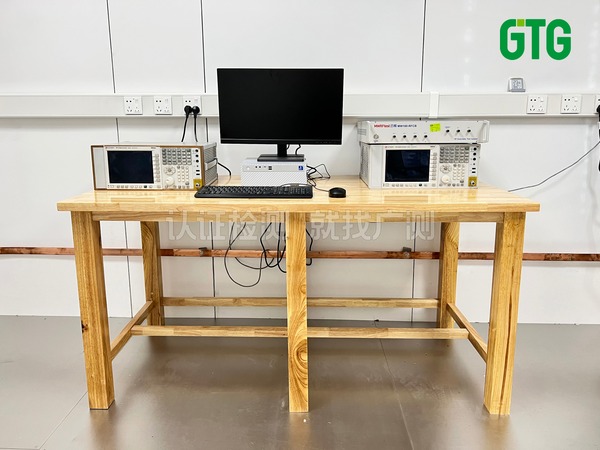
Radio testing evaluates the performance of each wireless interface in the gateway against the applicable harmonised radio standard. For the transmitter, key parameters include output power, power spectral density, frequency error, spurious emissions in both the operating and non-operating bands, and transmitter unwanted emissions in the spurious domain. For the receiver, testing covers sensitivity, adjacent channel selectivity, blocking characteristics, and receiver spurious emissions. Each wireless technology has its own specific radio standard with detailed test procedures and performance thresholds that must be met.
Safety Testing
Safety testing under CE-RED follows the objectives of the Low Voltage Directive, evaluated through harmonised standards such as EN 62368-1. For communication gateways, the safety evaluation typically covers insulation requirements and clearance distances, temperature limits for accessible surfaces and internal components, protection against energy hazards from capacitors and batteries, mechanical stability and enclosure integrity, and fire enclosure requirements. The safety standard EN 62368-1 uses a hazard-based safety engineering (HBSE) approach, which identifies potential energy sources and evaluates the safeguards in place to prevent harm.
Cybersecurity and Network Protection Testing
Under the Delegated Regulation (EU) 2022/30, communication gateways must incorporate cybersecurity measures to protect network integrity, user privacy, and financial transaction data where applicable. Testing in this area evaluates whether the gateway prevents degradation or disruption of network services, implements appropriate access control mechanisms, encrypts personal data transmitted over public networks, and provides mechanisms for secure software updates. While the specific testing methodologies are still maturing, manufacturers should be prepared to demonstrate compliance with these requirements as enforcement strengthens.

Documentation and CE Marking Obligations
CE-RED imposes detailed documentation requirements that manufacturers must fulfill before placing their communication gateways on the European market. These documents form the basis of your compliance position and must be available for inspection by market surveillance authorities.
Technical Documentation
The technical documentation is a comprehensive package that describes the product and demonstrates its compliance with the essential requirements. For communication gateways, this documentation typically includes a general description of the product and its intended use, design and manufacturing drawings, component lists and circuit descriptions, a description of the radio interfaces and their operating parameters, complete test reports from accredited laboratories for all applicable standards, calculations and analysis supporting the compliance claims, and the user manual. The technical documentation must be retained for at least ten years after the last unit of the product is placed on the market and must be made available to market surveillance authorities upon request.
EU Declaration of Conformity
The EU Declaration of Conformity (DoC) is a legally binding document in which the manufacturer declares that the product complies with all applicable requirements of CE-RED and any other relevant EU legislation. The DoC must reference the applicable harmonised standards, identify the product model, include the manufacturer's name and address, and be signed by an authorized representative. A copy of the DoC must accompany each product or be made available electronically through a URL referenced on the product or its packaging.
CE Marking and User Information
The CE mark must be visibly, legibly, and indelibly affixed to the communication gateway. The mark must consist of the prescribed CE letters in the correct proportions, with a minimum height of 5 mm. Additionally, the product must bear the manufacturer's name, registered trade name or registered trade mark, and the type, batch, or serial number. The user manual must be provided in the language(s) required by each EU member state where the product is marketed. For communication gateways, the user manual must also include information about the intended use, installation requirements, and any restrictions on use in specific EU member states.
- Product labeling — CE mark, manufacturer identification, and product identification must be present
- Frequency restrictions — the user manual must specify any frequency band restrictions applicable to specific EU countries
- Electronic documentation — the DoC and user manual may be provided in electronic format if the product has an internet connection
Pro Tip: Prepare user manual translations for all target EU markets before starting the certification process. Incomplete language coverage is a common finding during market surveillance checks and can result in products being withdrawn from sale in specific countries.
Common Pitfalls in Communication Gateway CE-RED Certification
Even experienced manufacturers can encounter difficulties during the CE-RED certification process for communication gateways. The following are among the most frequently observed issues that cause delays, retesting, or compliance gaps.
Pre-Certified Radio Module Integration
Many communication gateways use pre-certified radio modules to simplify wireless compliance. While this approach offers significant advantages, it requires careful attention to the module manufacturer's integration guidelines. Common mistakes include using antenna types or configurations not covered by the module's original certification, failing to maintain the required separation distance between the antenna and the human body, modifying the module's firmware in ways that affect its radio parameters, and neglecting to include the module's certification references in the gateway's technical documentation. If any of these conditions are not met, the gateway may require its own full radio testing rather than relying on the module's existing certification.
Operating Environment Classification
Communication gateways designed for different environments face different testing and classification requirements. A gateway intended for outdoor installation must meet more stringent environmental immunity requirements than one designed solely for indoor use. Similarly, a gateway intended for industrial environments may need to demonstrate higher immunity levels than a consumer-grade product. Incorrectly classifying your product's operating environment can result in either insufficient testing (creating a compliance risk) or unnecessary over-testing (increasing costs and timeline).
Design Consistency Between Test Samples and Production
CE-RED requires that the product placed on the market is identical to the product that was tested. This includes the PCB layout, component selection, enclosure design, antenna configuration, and cable routing. Manufacturers who make changes to the production version after testing — even seemingly minor changes such as switching to a different PCB substrate material or changing the antenna supplier — may need to retest the product. Establishing a formal change control process that includes a compliance impact assessment for any design modification is essential for maintaining valid certification.
- Component substitution — switching to a different EMI filter component or power supply may change the EMC profile of the product
- Antenna changes — using a different antenna type, gain, or placement invalidates the radio test results
- Firmware updates — radio-related firmware changes may affect transmit power, modulation, or frequency operation
Pro Tip: Maintain a compliance change log that documents every modification to the product design, even those that appear minor. This log will be invaluable during market surveillance audits and when assessing whether retesting is needed after a design change.
Choosing the Right Testing Partner for CE-RED Certification
The complexity of CE-RED certification for communication gateways makes the selection of a testing partner a decision with significant strategic implications. The right partner not only performs tests accurately but also provides guidance that helps you avoid common pitfalls and navigate the evolving regulatory landscape.
Technical Expertise Across Multiple Radio Technologies
Communication gateways integrate multiple wireless technologies, each with its own set of test standards, equipment requirements, and measurement methodologies. Your testing partner should have demonstrated experience with all the radio technologies present in your product. This includes not only the ability to perform the tests but also the expertise to interpret results, identify root causes of failures, and recommend practical design solutions. A laboratory that specializes in only one wireless technology may struggle with the integrated testing approach required for multi-protocol gateways.
Accreditation Scope and Notified Body Capabilities
Verify that the laboratory's accreditation scope covers all the harmonised standards applicable to your product. ISO/IEC 17025 accreditation for specific test methods ensures that the laboratory's measurements are reliable and traceable. If your product requires Notified Body assessment under CE-RED, confirm that the laboratory or its associated Notified Body has the competence to evaluate your specific product type. The European Commission's NANDO database provides a searchable directory of Notified Bodies designated under CE-RED.
Regulatory Intelligence and Market Surveillance Awareness
The CE-RED regulatory environment is dynamic, with new harmonised standards, delegated acts, and implementing decisions published regularly. A knowledgeable testing partner stays current with these developments and proactively informs you about changes that may affect your products. This is particularly important for communication gateways, where the introduction of new wireless technologies and the evolution of cybersecurity requirements create a constantly shifting compliance landscape. A partner with strong regulatory intelligence can help you anticipate changes and adapt your compliance strategy accordingly.
Selecting a certification partner with deep expertise in wireless communication testing ensures that your gateway meets all applicable requirements efficiently, minimizing the risk of delays and rework during the certification process.
Frequently Asked Questions About Communication Gateway CE-RED Certification
Q1 Does using a pre-certified radio module mean my gateway does not need CE-RED testing?
No. While a pre-certified radio module can simplify the radio testing portion, the overall communication gateway still requires its own CE-RED compliance assessment. This includes EMC testing for the complete gateway system, safety evaluation of the finished product, and compliance with any applicable Article 3.3 requirements such as cybersecurity. The gateway's technical documentation must reference the module's certification and demonstrate that the integration was performed according to the module manufacturer's guidelines. If the integration deviates from those guidelines — for example, by using a different antenna or modifying the firmware — separate radio testing of the gateway may be required.
Q2 What is the difference between CE-RED and the older R&TTE Directive for wireless products?
CE-RED (2014/53/EU) replaced the R&TTE Directive (1999/5/EC) and introduced several significant changes. CE-RED no longer requires a notified opinion for equipment operating on non-harmonised frequency bands; instead, such equipment requires Notified Body involvement. The directive places greater emphasis on receiver performance and spectrum efficiency. It also introduces new Article 3.3 delegated acts covering cybersecurity, network protection, and privacy — requirements that did not exist under the R&TTE Directive. For communication gateway manufacturers, the most practical impact is the expanded scope of compliance obligations, particularly regarding cybersecurity and the need for more comprehensive technical documentation.
Q3 Do I need separate CE-RED certification for each EU country where I sell my gateway?
No. CE-RED operates on the principle of mutual recognition across all EU and EEA member states. A single CE-RED compliance assessment, properly documented, allows you to place your product on the market in any EU/EEA country. However, you must ensure that your product meets the frequency allocation and power limits applicable in each country where it will be used. Some countries have specific restrictions on certain frequency bands, and your user manual must communicate these restrictions to the end user. Your testing laboratory can advise you on country-specific requirements for the wireless technologies in your gateway.
Q4 How does Brexit affect CE-RED certification for communication gateways sold in the UK?
Following Brexit, the United Kingdom has established its own regulatory framework for radio equipment, based on the UK Radio Equipment Regulations. While the technical requirements are largely aligned with CE-RED, the UK requires its own UKCA marking and compliance documentation. Manufacturers selling gateways in both the EU and UK markets typically need to maintain parallel compliance documentation. The UK government has extended recognition of CE marking for certain product categories, but this arrangement may change, so it is important to verify the current status with your testing partner. For the most up-to-date guidance, consult the UK Office for Product Safety and Standards.
Q5 What cybersecurity requirements must my communication gateway meet under CE-RED?
Under Delegated Regulation (EU) 2022/30, which became applicable in August 2025, communication gateways connected to the internet must implement measures to protect network integrity, prevent disruption of services, safeguard user privacy, and ensure secure processing of data. Specific requirements include implementing access control mechanisms, using state-of-the-art encryption for data transmission, providing mechanisms for secure software updates, and not using universal default passwords. The exact requirements depend on the gateway's capabilities and the types of data it processes. Manufacturers should work with their testing laboratory to assess which specific provisions apply to their product and develop a compliance strategy accordingly.
This article is for informational purposes only and does not constitute certification advice, testing recommendations, or legal guidance. Certification requirements, processes, and standards may change. Specific requirements, timelines, and costs depend on actual product evaluation by professional engineers. Please contact us for a detailed consultation.
Contact: 13925591357 Email: net04@gtggroup.com